
What Happens When the Cash Rate Increases?

Australian interest rates increase and decrease when the Reserve Bank of Australia makes changes to the cash rate. If the RBA announces that they increased the target, it goes into effect the following day. When the cash rate increases, it increases the cost of borrowing. The RBA determines economic policy. An economic policy helps stabilise the economy under all circumstances. The economy is a sum of several intertwined factors. When the RBA increases the cash rate, the economy is overheating. To cool it down, borrowing becomes more expensive. It impacts all loans, including the business loan. An increase in the cash rate impacts the banks and individuals who hold debt. On the other end, it encourages individuals to start saving. The cash rate is the interest rate on unsecured overnight debt transactions banks engage in with each other. If the bank’s rates increase, the banks increase their rates for consumers. Moreover, it directly impacts individuals who hold variable rate loans. In several cases, lenders forewarn their clients that a rate increase is on the horizon. However, in severe cases, the rate increases go into effect almost immediately. Therefore, a consumer must exercise fiscal responsibility. Some individuals leverage debt in their favour. They’re in a position to take a risk. The same is not true for all consumers holding debt. Cash Rate Increases Conclusion After the cash rate increases, consumers have some time to lock in lower rates. Timing plays an important role. To understand how changes in the cash target impact your current loan products, contact our Mortgage House loan specialists.
Construction Interest Rates in Australia?
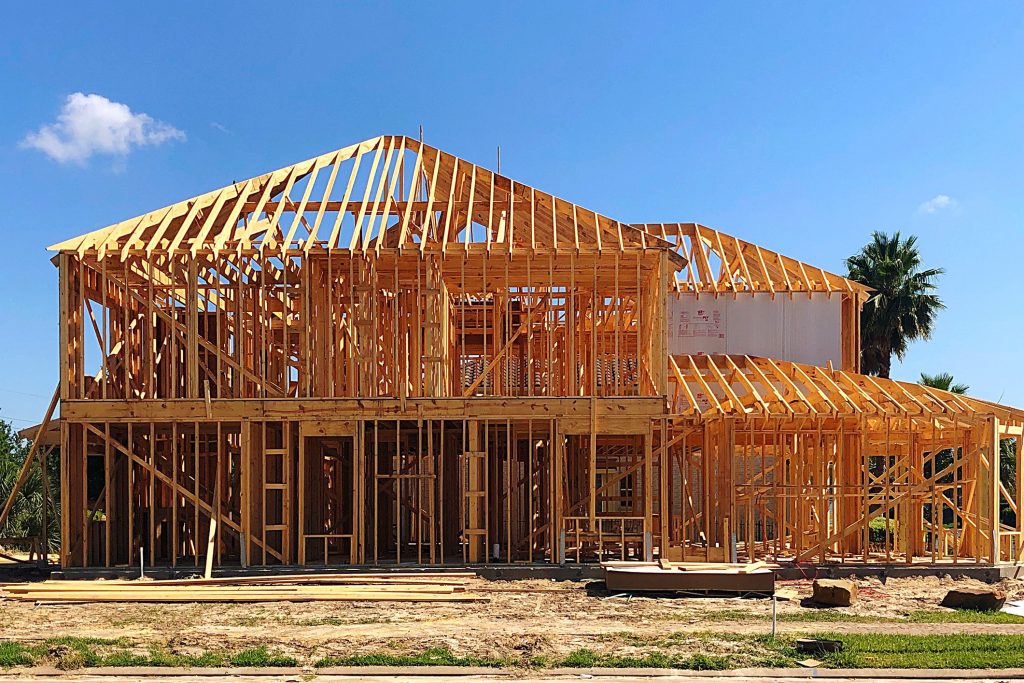
Construction loans typically have a higher interest rate than standard home loans. Their interest rates tend to be higher because your lender doesn’t have an actual asset to secure the loan, just an asset that’s expected to exist. In addition, it can be difficult for a lender to value the property because neighbourhood property values could change, or the builder could do a shoddy job. So to offset this risk, lenders assign higher interest rates to construction loans. Currently, the average construction loan interest rate is hovering around 2.5%. What is a construction loan? A construction loan is when you borrow money to build an owner-occupied home or investment property. You can also use them to pay for significant renovations to existing properties. Construction loans aren’t paid in a lump sum format. Instead, they are draw-down loans divided into stages. After each phase of construction is completed, your lender releases the funds directly to your contractor. How do I get approved for a construction loan? When you apply for a construction loan, you will need to provide the following: A budget: this means providing financial documents, assets, and liabilities, as well as a detailed plan outlining how you will manage to afford your repayments during construction A detailed construction plan: your lender will need the builder’s qualifications, exact specifications for your property, the materials they will use, the timetable, and how much they estimate the project will cost. A deposit: to start construction, you may need a deposit of 5%. A good credit rating If you need a construction loan, Mortgage House can help. As a non-bank lender, we can offer competitive interest rates on all our loan products.